
If a tooth is missing, the answer depends on which tooth was lost. Baby teeth can be replaced by adult teeth, but permanent teeth do not grow back.
Many people use “grow back” to mean any missing tooth returning. In dentistry, though, tooth replacement and tooth regrowth are not the same thing.
If a baby tooth falls out, the adult tooth underneath may come in over the next few weeks or months. If a permanent tooth is removed, knocked out, or damaged beyond repair, it usually needs treatment such as replantation, a bridge, an implant, or another replacement option.
At Smile Line Dentistry in Livermore, we provide dental implants and other restorative options that patients often seek for a permanently missing tooth.
People develop two sets of teeth. The first set is primary teeth, also called baby teeth, and the second set is permanent teeth, also called adult teeth.
A baby tooth may seem like it “grew back” when the adult tooth appears later. In reality, the adult tooth was already developing in the jaw.
Once a permanent tooth is lost, it does not grow back naturally. That is true whether the tooth was lost from decay, gum disease, trauma, or extraction. The ADA explains this clearly in Can teeth be regrown.
In rare cases, a person may have extra teeth or an unusual eruption pattern. That is one reason a dental exam and X-rays can help when a tooth seems missing or very delayed.
Most children start losing baby teeth around age 6, although normal timing varies. This process often continues until about age 12 or 13.
After a baby tooth falls out, the permanent tooth may appear within a few weeks. In other cases, it may take several months before enough of the tooth erupts to be visible.
The full eruption process is gradual. Even after the tooth first breaks through the gums, it may continue moving into place over time.
Lower front teeth are often replaced first, followed by the upper front teeth. Baby molars and canines are usually replaced later.
General tooth eruption timelines can help families understand what is typical by age. A delayed tooth is not always a problem, but timing that seems far outside the usual pattern should be checked.
Common reasons for delay include crowding, an impacted tooth, or a baby tooth that did not come out normally. A pediatric evaluation can help determine whether a tooth is simply late or blocked.
If a child’s timing seems far outside the usual pattern, a dentist may recommend X-rays and discuss next steps with the family. Learn more about our pediatric dentistry.
Sometimes a permanent tooth erupts behind a baby tooth instead of directly under it. This is often called a “shark tooth” pattern.
It can look alarming, but it is not always an emergency. A dentist can check whether the baby tooth is likely to fall out on its own or whether removal may help the permanent tooth move into a better position.
A knocked-out permanent tooth is a dental emergency. The tooth will not regrow, but fast treatment may allow a dentist to place it back into the socket.
This injury is called avulsion, which means the tooth has been completely displaced from the mouth. The best outcomes usually happen when care is immediate.
If this happens, handle the tooth only by the crown, which is the part you normally see in the mouth. Do not scrub the root.
If the tooth is dirty, gently rinse it with clean liquid and keep it moist while getting urgent dental care right away. AAPD trauma guidance supports these first-aid steps for an avulsed permanent tooth.
A knocked-out baby tooth is different. It is usually not put back in because doing so may harm the developing permanent tooth underneath.
Seek urgent care the same day for bleeding that does not stop, severe pain, a tooth that feels pushed out of place, trouble closing the bite, facial swelling, or a broken tooth with visible pink or red tissue.
Go to emergency medical care right away for trouble breathing, heavy facial bleeding, loss of consciousness, or concern for a jaw fracture.
Sometimes the real question is not whether a tooth will grow back, but whether it will ever come in at all. A tooth may be delayed, blocked, or absent from development.
An impacted tooth is trapped under the gum or bone and cannot erupt normally. This often affects wisdom teeth, but it can also involve canines or other permanent teeth.
In some cases, a permanent tooth never formed. This is called congenital absence, and it is usually confirmed with dental X-rays.
If a tooth seems late by many months, or if one side has erupted while the matching tooth on the other side has not, a dental evaluation is a smart next step. Waiting too long can make spacing and alignment problems harder to manage.
If a permanent tooth is gone, the goal is to replace it, not wait for natural regrowth. The right treatment depends on the tooth involved, the condition of the surrounding gums and bone, and your overall oral health.
Common options include dental implants, bridges & crowns, and removable partial dentures. Each option has different benefits, costs, and maintenance needs.
A dental implant is a titanium post placed in the jawbone to support a crown. It can feel and function much like a natural tooth, but it requires enough bone support and a healthy healing environment.
Learn more about getting dental implants and what dental implants look like.
A bridge uses neighboring teeth for support and fills the gap with an artificial tooth. This can be a good option in some cases, especially when nearby teeth already need crowns.
A removable partial denture replaces one or more missing teeth and can be taken out for cleaning. It is often the least invasive option, though it may feel less natural than a fixed solution. Learn more about removable dentures.
A dentist can explain which option best fits your bite, age, and long-term goals. For children and teens, timing matters because the jaws are still developing.
A missing tooth is not always just a cosmetic issue. Teeth help keep each other in position, and a gap can allow nearby teeth to drift or tilt over time.
That movement may change your bite and make cleaning harder. In some cases, it can increase wear on other teeth or contribute to gum problems.
The jawbone in the area of a lost tooth may also shrink over time because it no longer receives normal stimulation from the tooth root. That bone loss can affect future replacement options, especially implants. You can read more about implant longevity.
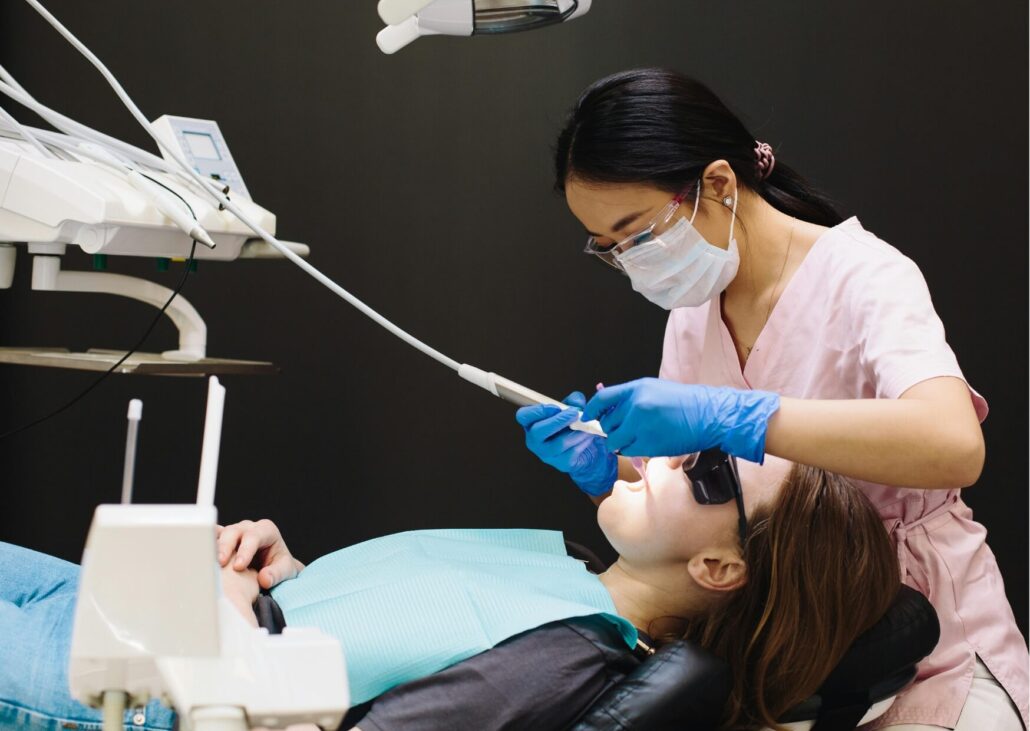
Schedule a dental visit if a baby tooth is lost very early, a permanent tooth seems delayed, or a gap appears without a clear reason. It is also wise to get checked if a tooth is loose, painful, discolored, or associated with swelling.
Seek urgent dental care after trauma, especially if a permanent tooth is chipped, displaced, or completely knocked out. Fast action can change what treatment is possible.
If a tooth is missing and you are not sure whether it should come in, grow back, or be replaced, it is better to get an exam than to wait and guess.
Smile Line Dentistry in Livermore provides dental implants and restorations for missing teeth; patients from Pleasanton and Dublin are welcome to call to schedule at (925) 456-7600.
No. Once a permanent tooth is removed, it does not naturally grow back.
It may appear within a few weeks, but in some cases it takes several months. The exact timing depends on the tooth, age, spacing, and development.
Sometimes, yes, if it is a permanent tooth and dental care happens quickly. This is why same-day emergency dental care is so important.
That may still be normal, but a dentist should check if the delay seems long, if there is pain or swelling, or if the tooth on the other side came in much earlier.
No. Wisdom teeth are late-erupting permanent teeth, not replacement teeth growing back after loss.
We are proud to provide our patients with the best in dental technology, treatment options and patient comfort. It is our pleasure to address all your questions and concerns.
