
To remove plaque from teeth, brush twice a day with fluoride toothpaste and clean between your teeth once a day with floss or another interdental cleaner. Soft plaque can usually be removed at home, but hardened plaque, called tartar or calculus, needs professional dental instruments and a professional teeth cleaning.
If you have hard deposits or persistent plaque that brushing can't remove, a professional teeth cleaning can clarify underlying areas and reduce gum inflammation. Smile Line Dentistry in Livermore, CA helps patients preserve enamel and reduce infection risk with preventive cleanings and patient-centered care.
Plaque is a sticky film of bacteria that forms on teeth and along the gumline every day. When these bacteria feed on sugars and starches, they produce acids that can raise cavity risk; for related warning signs, see signs of a cavity.
Brush for about two minutes twice a day with a soft-bristled manual or electric toothbrush. Angle the bristles toward the gumline and use gentle circular or short back-and-forth motions on the outer, inner, and chewing surfaces.
Use a fluoride toothpaste with the American Dental Association Seal of Acceptance. After brushing, spit out the excess toothpaste instead of rinsing hard, so more fluoride stays on the teeth.
Scrubbing harder does not remove plaque better. It can irritate the gums and wear down tooth surfaces over time.
Replace your toothbrush or brush head every three to four months, or sooner if the bristles look frayed. Worn bristles clean less effectively, especially near the gumline.
A toothbrush cannot fully clean the tight spaces between teeth. Clean between your teeth once a day with floss, interdental brushes, a water flosser, or another tool your dentist recommends.
If you use string floss, guide it gently between the teeth and curve it into a C shape against one tooth. Move it up and down along the side of the tooth and just under the gumline, then repeat on the neighboring tooth.
The best tool depends on your tooth spacing, dexterity, braces, implants, bridges, and personal preference. What matters most is using the tool correctly and using it every day.
|
Cleaning Tool |
Often Useful For |
Key Consideration |
|---|---|---|
|
String floss |
Tight contacts between teeth |
Requires careful technique |
|
Wider spaces, braces, or some bridgework |
The brush should fit without force |
|
|
Water flosser |
Braces, implants, or limited dexterity |
Aim along the gumline as directed |
Plaque is usually colorless or pale yellow and may make teeth feel fuzzy, especially near the gumline. If it stays on the teeth, minerals in saliva can harden it into tartar, which often looks yellow, tan, or brown and feels rough.
|
Buildup |
Typical Features |
Removal Method |
|---|---|---|
|
Plaque |
Soft, sticky bacterial film |
Brushing and cleaning between teeth |
|
Tartar |
Hard, rough deposit that sticks to teeth |
Professional dental cleaning |
You can remove plaque at home, but you cannot safely brush or floss away tartar once it hardens. If you want to know what to expect at a visit, see dental cleaning duration.
Do not try to scrape tartar off with sharp objects or home dental tools. That can damage enamel, injure the gums, and leave buildup behind below the gumline.
A dentist or hygienist removes tartar with specialized hand or ultrasonic instruments. If buildup extends below the gums or gum disease is present, a deeper cleaning may be recommended after an exam.
Plaque starts forming again soon after you clean your teeth. That is why a steady daily routine works better than occasional aggressive cleaning.
Your teeth may not feel perfectly smooth after every meal, and that is normal. The goal is consistent plaque control, not repeated brushing throughout the day.
If your gums are inflamed, they may bleed a little when you first start flossing more regularly. Mild bleeding may improve as plaque is removed, but ongoing or worsening bleeding should be checked by a dental professional.
Limit frequent sipping and snacking on sugary or starchy foods. Repeated exposure gives plaque bacteria more chances to produce acid.
Drink fluoridated water when available. Chewing sugar-free gum after meals may also help saliva flow, but it does not replace brushing or cleaning between the teeth.
Plaque-disclosing tablets or solutions can highlight areas you are missing. Follow the package directions, since they can temporarily stain the lips, tongue, clothing, restorations, or appliances.
Mouthwash can support your routine, but it does not remove attached plaque by itself. Ask a dentist whether a fluoride or antimicrobial rinse is right for you or your child; a provider with pediatric dentistry expertise can help with pediatric concerns, dry mouth, frequent cavities, or gum problems.
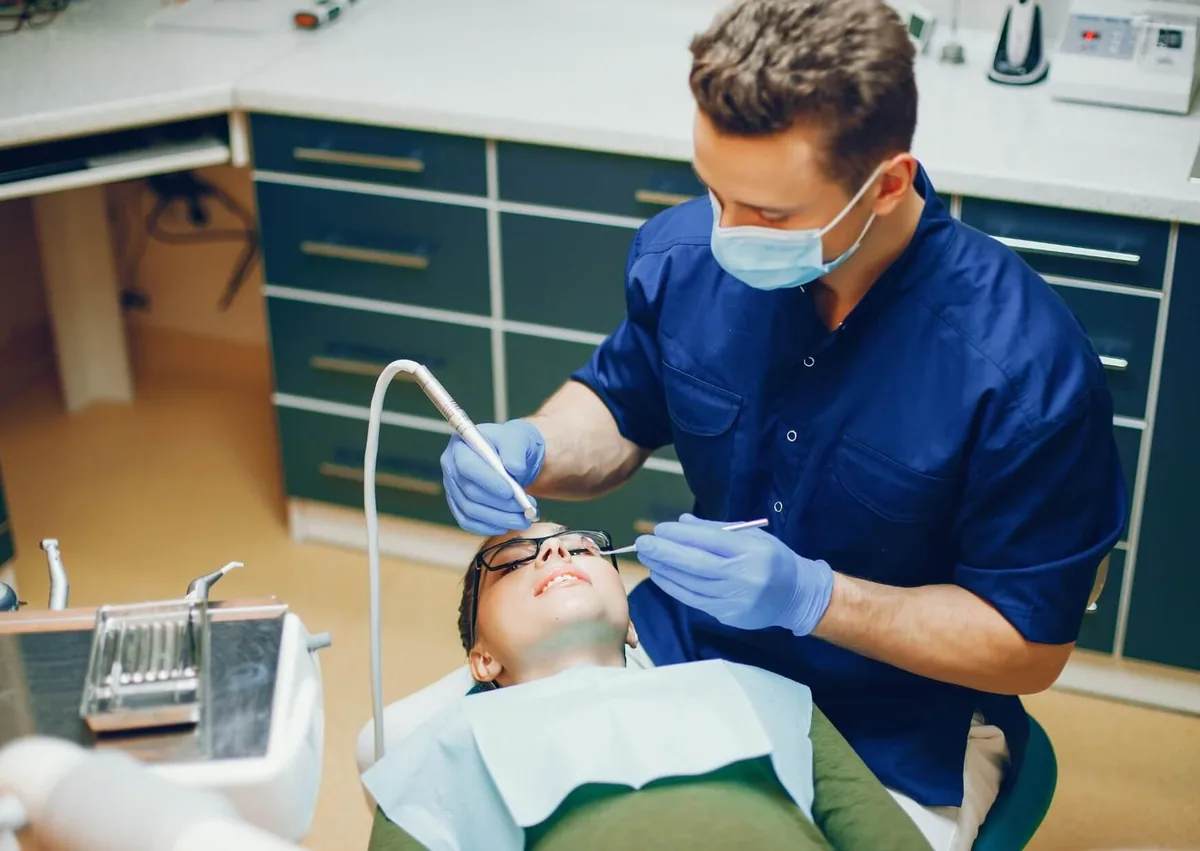
Schedule a dental visit if you still feel hard deposits after brushing and flossing. You should also be seen if your gums bleed often, look swollen, feel tender, or seem to pull away from the teeth.
Persistent bad breath, tooth sensitivity, loose teeth, pain when chewing, or pus near the gums also needs evaluation. These symptoms can point to gingivitis, periodontitis, cavities, or other problems that home care cannot diagnose.
Seek prompt care for severe or fast-worsening tooth pain, facial or jaw swelling, fever with dental symptoms, or trouble opening your mouth. Difficulty breathing or swallowing with oral or facial swelling is a medical emergency.
Regular exams and professional cleanings help remove tartar and identify areas that are hard to clean at home. The right schedule depends on your gum health, cavity risk, medical history, tobacco use, and past dental problems.
A dentist or hygienist can remove hardened buildup during a professional teeth cleaning. That visit can also show whether you need routine preventive care or a deeper cleaning.
A professional cleaning and exam can remove hardened tartar and identify areas needing further care. Call Smile Line Dentistry in Livermore, CA for teeth cleaning at (925) 456-7600 to schedule or ask about same-day openings.
Most soft plaque can be removed with one thorough brushing and interdental-cleaning session. Heavy buildup, inflamed gums, or tartar may still need consistent home care and professional treatment.
Some fluoride toothpastes contain baking soda and can help clean tooth surfaces. Plain household baking soda does not provide the cavity protection of fluoride toothpaste, and abrasive homemade mixtures may irritate tissues or wear surfaces.
No. Mouthwash may reduce certain bacteria or add fluoride, depending on the product, but brushing and cleaning between the teeth are still the main ways to remove plaque.
Bleeding often happens when plaque has inflamed the gums, which is called gingivitis. It can also happen with rough technique, so use gentle cleaning and seek dental care if bleeding is heavy, persistent, worsening, or paired with swelling, pain, bad breath, or loose teeth.
We are proud to provide our patients with the best in dental technology, treatment options and patient comfort. It is our pleasure to address all your questions and concerns.
