
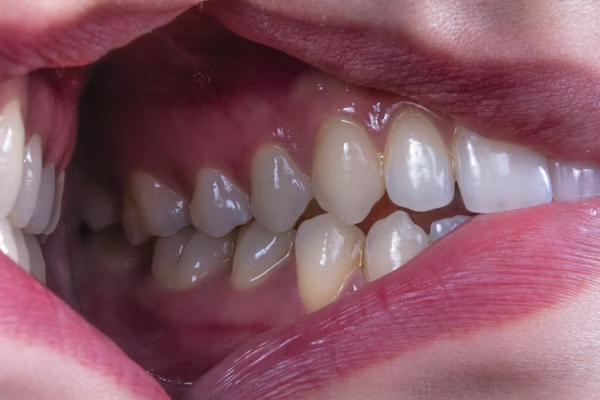
Gum disease is one of the most common oral conditions affecting adults today, often progressing quietly before noticeable symptoms appear. While early signs—such as minor bleeding or occasional tenderness—might seem harmless, they often represent the initial stages of periodontal inflammation.
When this occurs, dentists frequently recommend periodontal scaling and root planing, a comprehensive deep-cleaning treatment that removes harmful bacterial buildup and restores gum health.
At Smile Line Dentistry, our clinicians take a thorough, patient-focused approach to periodontal evaluation and treatment. We use advanced diagnostic tools and gentle techniques to help patients understand their gum health and feel confident every step of the way.
Gum disease begins with gingivitis, marked by redness, swelling, and bleeding. At this stage, the condition is reversible. Periodontitis, however, affects the bone and connective tissues supporting the teeth, leading to more serious complications.
Plaque hardens into tartar when not removed, irritating the gums and forming deep pockets where bacteria thrive.
Common symptoms include bleeding gums, bad breath, gum recession, tooth sensitivity
, and loose teeth.
Periodontal scaling and root planing at Smile Line Dentistry is a non-surgical treatment that removes plaque and tartar from below the gumline and smooths the tooth roots.
Unlike standard cleanings, which focus on maintaining healthy gums, deep cleaning treats existing periodontal infection. It reaches areas below the gumline that cannot be accessed during routine preventive visits.
The treatment aims to halt disease progression, reduce inflammation, promote healing, and restore a stable environment around the teeth that supports long-term oral health.
Deep scaling targets hardened deposits within periodontal pockets. Removing these irritants allows gum tissue to heal and reduces bacterial load significantly.
Dental professionals use finely crafted instruments designed to adapt to the shape of the tooth and root. This ensures thorough cleaning while protecting delicate gum tissues.
Ultrasonic scalers use vibration and water flow to disrupt and flush out bacteria efficiently. Manual tools then refine the process, allowing for detailed removal of remaining deposits in tight or sensitive areas.
Rough root surfaces encourage bacterial adhesion. Root planing smooths these areas, creating a cleaner surface that is easier for gums to heal against.
As inflammation decreases and roots become smooth, gum tissue naturally tightens and reattaches to the teeth, reducing pocket depth and improving stability.
By eliminating microscopic grooves, root planing reduces the likelihood of bacteria recolonizing beneath the gumline.
Halitosis that does not improve with brushing or mouthwash often originates from bacteria trapped below the gumline.
Inflamed gums bleed easily and may appear red or puffy, especially during brushing or flossing.
As supporting tissues deteriorate, gums recede and teeth may feel loose, signaling advancing periodontal disease.
A periodontal probe measures the depth of pockets around each tooth, helping determine the severity of gum disease and the appropriate treatment plan.
X-rays reveal changes in bone height, detect tartar below the gumline, and help identify areas of infection not visible during an exam.
Detailed charting records bleeding points, pocket depths, and recession, providing a baseline for monitoring treatment success.
Local anesthetic is used to numb treated areas, ensuring patient comfort throughout the treatment, even in deeper pockets.
The mouth is divided into quadrants so each area receives focused, thorough attention without rushing the process.
After root planing, teeth may be lightly polished to remove residual plaque and create a smoother surface that discourages future buildup.
Each quadrant typically requires 45–60 minutes, depending on the amount of buildup and gum condition.
Some patients complete treatment in one extended visit, while others benefit from splitting it into two appointments for comfort and healing.
Severity of infection, gum sensitivity, and patient tolerance all play a role in determining treatment length.
With anesthesia, most patients feel only pressure or vibration, not pain. Anxiety is often less than expected.
Temporary sensitivity to temperature or touch is common and typically resolves within a few days.
Using desensitizing toothpaste, avoiding extreme temperatures, and following post-care instructions can ease recovery.
As inflammation subsides, gum tissues shrink and reattach more firmly to the tooth surface, reducing pocket depth.
Improved gum color, reduced bleeding, and fresher breath are common indicators of successful healing.
Persistent pain, swelling, discharge, or fever should be reported promptly for evaluation.
Gentle brushing with a soft-bristle toothbrush and careful daily flossing help maintain healing tissues.
Prescription or recommended rinses reduce bacterial levels during the healing phase.
Soft foods and mild flavors are best during early recovery to prevent irritation.
These localized treatments help control infection directly within periodontal pockets.
Systemic antibiotics may be prescribed when infection extends deeper into tissues.
Over-the-counter anti-inflammatory medications may be suggested to reduce discomfort.
Patients often notice healthier, firmer gums within weeks of treatment.
By stopping infection, the treatment helps preserve the structures supporting the teeth.
Early and effective treatment significantly reduces the likelihood of future tooth loss.
Sensitivity is common but typically short-lived.
Light bleeding during brushing may occur initially and improves as healing progresses.
Following aftercare instructions minimizes this already low risk.
More frequent cleanings help keep bacteria from repopulating deeper pockets.
Regular measurements ensure healing remains on track.
Customized recommendations help maintain results long term.
Ongoing infection leads to irreversible jawbone loss.
Teeth may shift, loosen, or eventually require extraction.
Untreated gum disease has been linked to cardiovascular disease, diabetes complications, and other systemic conditions.
Standard cleanings prevent disease; deep cleanings actively treat infection.
Laser therapy may support healing but does not replace mechanical plaque removal.
Surgery is considered when non-surgical methods can no longer reach deep pockets.
Advanced cases often require multiple sessions and close monitoring.
Additional therapies may enhance healing and bacterial control.
Re-evaluation ensures treatment effectiveness and guides next steps.
Costs vary based on severity and complexity.
Many insurance plans provide partial or full coverage.
Early treatment often prevents costly surgical intervention.
Consistent brushing and flossing remain the foundation of gum health.
Reducing sugar and avoiding tobacco significantly lowers risk.
Routine exams allow early detection and simpler treatment.
Age-related changes increase susceptibility to gum disease.
Early care helps slow progression and maintain comfort.
Timely treatment supports lifelong oral function.
Smile Line Dentistry proudly serves our patients in Livermore, CA (at 2545 East Ave Suite A, next to Valley Care Hospital) and Antioch, CA, offering advanced periodontal care since 2006.
Our Livermore location is wheelchair accessible with ample parking, and our Antioch location features the latest dental technology and patient-focused care. Leading our team is Dr. Mona Sidhu, who combines advanced diagnostics, intra-oral cameras, and patient education to deliver you personalized care.
Call us today to schedule your appointment.
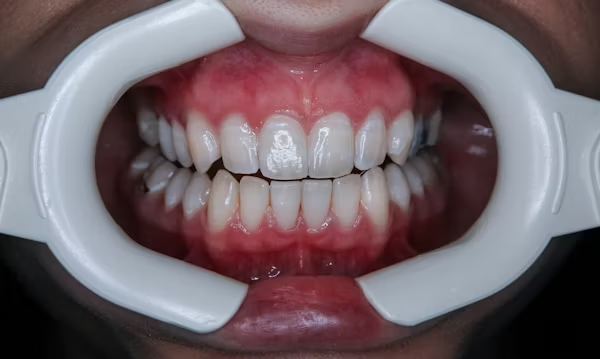
Periodontal scaling and root planing is a highly effective, non-surgical solution for treating gum disease and restoring oral health. When paired with consistent maintenance and professional care, it helps preserve natural teeth and prevent long-term complications.
Smile Line Dentistry offers expert periodontal care supported by advanced technology and a compassionate team.
Local anesthesia ensures comfort, and most patients feel only mild pressure.
Initial healing occurs within days; full gum reattachment may take several weeks.
Yes, without proper maintenance—but regular cleanings greatly reduce recurrence.
We are proud to provide our patients with the best in dental technology, treatment options and patient comfort. It is our pleasure to address all your questions and concerns.
