
Coffee at the back of the tongue. A flash of yellow in a phone photo. The strange way a smile can suddenly feel louder than the rest of the face. For many people, the question is not just whether whitening works. It is what to expect from teeth whitening when the change feels personal, visible, and a little vulnerable.
Teeth whitening can brighten natural teeth by reducing certain stains, but it is not magic, and it is not the same for every mouth. The final result depends on the type of discoloration, the health of the teeth and gums, and whether whitening is done in a dental office or with a dentist-supervised take-home system. In real life, people usually want to know three things first: how white their teeth may get, whether it will hurt, and how long the results may last. Those are the right questions.
A careful answer starts with one basic point. Whitening works best on external staining, meaning color picked up over time from coffee, tea, red wine, tobacco, and similar sources. It may be less effective on deeper internal discoloration, such as staining linked to trauma, certain medications, aging changes inside the tooth, or developmental enamel defects. Enamel is the hard outer layer of the tooth. Dentin is the naturally darker layer underneath, and it shows through more as enamel thins with age. That is one reason whitening can improve brightness without making every smile look paper white.
At Smile Line Dentistry, patients can explore professional teeth whitening options in a comfortable and supportive setting. Whether you are dealing with surface stains, sensitivity concerns, or uneven discoloration, the team can help explain what to expect teeth whitening and recommend an approach that fits your goals and oral health needs.
Most professional whitening systems use peroxide-based ingredients to break apart stain molecules inside the tooth structure. That sounds technical, but the idea is simple. The whitening agent moves through the enamel and reaches the pigmented compounds that make teeth look darker, helping them reflect light differently. If you want a simple explanation of how peroxide works, this overview can help.
This is also why whitening is not the same as cleaning. A cleaning removes plaque, tartar, and surface buildup. Whitening changes tooth color to a degree, but only when the stain type is one that can respond. If a tooth looks dark because of a filling, a crown, a chip, internal damage, or a dead nerve, whitening may not solve the problem and can sometimes make a color mismatch more obvious.
In many cases, the most useful expectation is not “perfect white.” It is a healthier, brighter version of your natural tooth color. That is usually a more realistic and satisfying goal.
Some people notice a visible change after a single in-office session. Others see a slower shift over days to weeks with take-home trays. The amount of brightening varies. Teeth that are mildly yellow often respond better than teeth that are gray, banded, or unevenly discolored.
Professional in-office whitening tends to work faster because stronger materials are applied under dental supervision. Dentist-provided take-home systems usually work more gradually, but they can still produce meaningful improvement and may allow more control over sensitivity. Store-bought products can help with some mild staining, but results are often less predictable.
It also helps to know what whitening does not change. Crowns, veneers, bonding, and tooth-colored fillings do not usually whiten the way natural teeth do. If these restorations are visible when you smile, a dentist may discuss whether whitening first and replacing older dental work later would create a better color match.
Lighting changes everything. Bathroom bulbs, daylight, lipstick tones, phone camera settings, and even dehydration can affect how teeth look in photos. A result that seems subtle in one mirror may look much more noticeable in person.
That is why shade improvement is often better judged over time, not minute by minute. Teeth may also look slightly brighter after a dental cleaning alone, so many dentists prefer to assess color once the teeth are free of surface buildup.
A quick zing when breathing in cold air. A sharp response to ice water. This is one of the most common things people want to know about. Tooth sensitivity after whitening is common, usually temporary, and often manageable, but it should never be dismissed if it is intense or persistent.
Whitening can temporarily increase how easily a tooth reacts to temperature because the active ingredients move through enamel and affect the inner tooth environment. If a tooth already has recession, exposed root surfaces, enamel wear, cracks, or untreated decay, sensitivity may be more noticeable. Gum recession means the gumline has moved down, exposing areas that are not protected by enamel in the same way.
Mild sensitivity often settles after treatment ends or after whitening sessions are spaced out. But pain that lingers, throbs, wakes someone at night, or affects one tooth much more than the others deserves a dental evaluation. That pattern may point to something other than routine whitening sensitivity, such as decay, a leaking filling, a crack, or pulp inflammation. The pulp is the soft tissue inside the tooth that contains nerves and blood vessels. For a patient-friendly overview of sensitivity after whitening, this guide explains common causes and ways to reduce discomfort.
Sometimes the desire for a brighter smile is really the first sign that something else has been bothering a person for a while. A dark tooth after an old injury. A tooth that looks yellow because the enamel has worn thin. Spots that have been there since childhood. In those cases, whitening may not be the first step.
A dentist may recommend treating certain issues before whitening, especially cavities, gum inflammation, exposed roots, loose restorations, or signs of infection. Often that means restoring decay with composite fillings or addressing gum and bite issues before cosmetic treatment. Whitening over untreated dental disease is not a good shortcut. It can increase discomfort and may delay the real diagnosis.
Seek prompt dental evaluation if whitening is being considered and any of these are present:
Those signs do not always mean an emergency, but they should not be treated as a cosmetic issue alone.
There is no single best choice for everyone. The better option depends on the starting shade, the time available, past sensitivity, and whether the goal is a quick event-based result or a steadier change.
| Option | What It Usually Involves | Main Advantages | Common Limitations |
| In-office whitening | Whitening performed at the dental office with gum protection and supervised application | Faster visible change, close monitoring, useful for people wanting quicker results | May cost more, may trigger temporary sensitivity in some cases |
| Dentist-supervised take-home trays | Custom or semi-custom trays used at home over days or weeks | More gradual control, often useful for touch-ups, can be easier to pace if sensitivity occurs | Requires consistency, results are not instant |
| Over-the-counter products | Whitening strips, gels, or similar products bought without a dental exam | Convenient and less expensive upfront | Less tailored, may fit poorly, may be less effective for moderate or uneven staining |
If there is a history of sensitivity, uneven staining, visible dental work, or uncertainty about the cause of discoloration, a dental assessment is usually the safer starting point. That is especially true when one tooth looks different from the rest.
Whitening does not stop future staining. Teeth are still teeth. Coffee, tea, tobacco, red sauces, dark berries, and normal aging continue to affect color over time. For many people, results last from several months to a couple of years, but the range is wide.
For more detail, read how long whitening lasts. You can also compare typical timelines in this whitening duration guide.
How long the brightness lasts depends on diet, smoking or vaping habits, oral hygiene, enamel quality, and the original cause of discoloration. Someone who drinks several coffees a day and often skips cleanings may notice rebound staining sooner than someone with lighter exposure to pigments and regular preventive care.
The most practical expectation is maintenance, not permanence. Some people choose occasional dentist-guided touch-ups. Others decide the first round gave enough improvement and simply want to preserve it with routine care and fewer stain-heavy habits.
Right after whitening, teeth may look very bright, sometimes almost chalky, before the color settles into a more natural appearance. That early look can be surprising. It does not always represent the final stable shade.
Some people also become unusually aware of their teeth for a day or two. Cold drinks feel sharper. Air catches the edges of the front teeth. The smile may look better, but the mouth feels less quiet. That temporary mismatch between appearance and sensation is common, and it is part of why whitening can feel more emotionally loaded than people expect.
If symptoms are mild and improving, that pattern is usually reassuring. If discomfort is escalating, localized to one area, or paired with swelling or spontaneous pain, it is time to contact a dentist rather than assume it is a normal reaction.
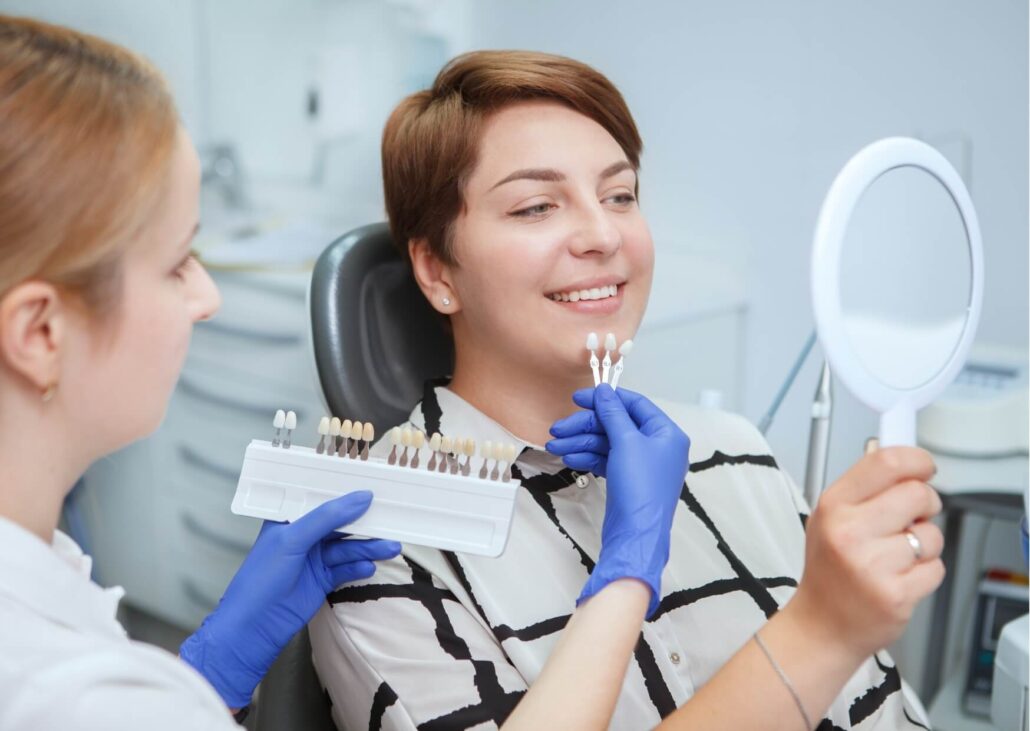
A short conversation with a dentist can prevent a lot of frustration. It can also help separate cosmetic goals from underlying dental problems that need treatment first.
Useful questions include:
That last question matters more than many people realize. The best whitening plan is not the strongest one. It is the one that fits the teeth in front of the dentist, not the smile from an edited photo.
There is a quiet disappointment that can build around a smile. Not dramatic enough to name, but present in photos, in meetings, in the split second before laughing. Whitening can help when discoloration is the issue, and for many people it is a reasonable, safe cosmetic treatment when done with the right expectations.
Still, the most satisfying outcomes usually come from accuracy, not intensity. Knowing whether the teeth are stained, worn, restored, dehydrated, or unhealthy changes everything. Whitening works best when it is chosen for the right reason, on the right teeth, with a clear idea of what can and cannot change.
If the color has been bothering you for a while, a dental evaluation is a sensible next step, especially if the staining is uneven, the sensitivity is already there, or one tooth looks different from the rest. Sometimes the path to a brighter smile starts with whitening. Sometimes it starts with finally understanding what the teeth have been trying to say.
Smile Line Dentistry proudly provides professional teeth whitening treatments for patients in Livermore, CA, and nearby communities. Call (925) 456-7600 today to schedule your consultation and learn which whitening option is right for your smile goals.
It depends on the starting shade and the cause of discoloration. Yellow surface and age-related staining often improve more than gray or internally discolored teeth. A dentist can usually give a more realistic estimate after looking at the enamel, restorations, and pattern of staining.
It can cause temporary sensitivity, especially to cold, but not everyone experiences it. Pain that is severe, throbbing, focused on one tooth, or lasts beyond the expected short-term window should be checked by a dentist.
Results often last from several months to a couple of years, depending on diet, smoking or vaping, oral hygiene, and whether touch-ups are done. Stain-heavy habits usually shorten how long the brightness lasts.
No, most crowns, veneers, bonding, and tooth-colored fillings do not whiten like natural teeth. If these are visible, a dentist may discuss timing so the final color match looks more natural.
Not without an evaluation first. A single dark tooth may have a different cause, such as prior trauma, nerve damage, or an old restoration, and whitening may not correct it.
We are proud to provide our patients with the best in dental technology, treatment options and patient comfort. It is our pleasure to address all your questions and concerns.
