
A gap in your smile can feel louder than it looks. Chewing changes, speech may shift, and over time the empty space can start to feel like part of daily life.
That is often when the real question appears: when is it too late to get dental implants? For most people, the answer is reassuring. It is often not truly too late, but waiting can make treatment more complex because the jawbone and gums can change after a tooth is lost.
Dental implants are small titanium or ceramic posts placed in the jaw to support a crown, bridge, or denture. They replace the tooth root, which helps support the surrounding bone in a way removable options do not. For photos and a simple breakdown of the parts, see what implants look like.
At Smile Line Dentistry in Livermore, we offer dental implants and careful evaluations for patients exploring tooth replacement options.
In most cases, it is not too late because of age alone. Many older adults receive implants successfully, and advanced age by itself is not considered a contraindication.
The bigger issue is what happens after tooth loss. Without a tooth root in place, the jawbone in that area often begins to shrink. This process is called bone resorption, which simply means the body starts removing bone that is no longer being used.
That does not always prevent implants. It may mean extra steps are needed first, such as bone grafting, sinus lift procedures in the upper back jaw, or treatment for gum disease before implant placement is considered safe.
The mouth adapts after a tooth is lost, but not always in helpful ways. The bone in the empty area may narrow and lose height, nearby teeth may drift, and the opposing tooth may start to move because it no longer has contact.
These changes can affect space, bite balance, and implant positioning. Someone who lost a molar ten years ago may still be a candidate, but the treatment plan may look very different from that of someone replacing the tooth within a few months. Some of that difference comes from bone loss after extraction, which can begin early and continue over time.
Gum inflammation can also build quietly over time. If plaque and bacteria collect around nearby teeth, the tissues may become less stable, and that matters because healthy gums and bone support are central to long-term implant success. Routine preventive care and focused periodontal care when needed are often important steps before implant work.
A dentist or implant provider may need to slow down and investigate further if there is significant bone loss on imaging, untreated periodontal disease, loose nearby teeth, or a bite that has changed substantially. Periodontal disease means infection and inflammation affecting the gums and bone around the teeth.
Other factors matter too. Smoking, uncontrolled diabetes, immune suppression, prior radiation to the jaws, severe teeth grinding, and some medications that affect bone turnover can complicate healing or long-term stability. These risk factors do not always rule implants out, but they do deserve careful review.
None of these automatically means implants are impossible. They do mean the decision should be made carefully, with imaging, a gum and bone exam, and a realistic discussion of risks, alternatives, and timing.
There are situations where implants may no longer be the safest or most predictable option. This can happen when bone loss is so severe that reconstruction would be extensive, when active disease is not controlled, or when overall health makes surgery a poor choice.
In some cases, the issue is not whether an implant can be placed, but whether it should be. A frail patient with major medical instability, poor healing capacity, or an inability to maintain oral hygiene may be better served by a different tooth replacement plan.
That distinction matters. Possible is not always appropriate, and a responsible implant evaluation should say so clearly.
A proper evaluation usually includes dental X-rays and often a 3D scan called cone beam CT. This helps measure bone width, bone height, nerve location, sinus position, and the shape of the jaw.
The dentist also looks at gum health, signs of infection, the condition of nearby teeth, and how the upper and lower teeth meet. Bite forces matter more than many patients expect, especially in the back teeth where chewing pressure is higher.
Medical history is part of the picture, not a footnote. Conditions that affect healing, bleeding, or infection risk may change the timing, the surgical plan, or whether another option is safer.
This is one of the most common situations in implant dentistry. Many people wait because of cost, fear, busy life circumstances, or because the missing tooth did not seem urgent at first.
Years later, the area may feel settled, but underneath that calm, the bone may have changed a great deal. The face can also lose some support over time when multiple teeth are missing, especially with long-term denture wear.
Even then, implants may still be an option. The plan may simply require staged treatment—see the implant timeline, such as grafting, tooth extraction of failing teeth, or a different type of restoration than the patient first imagined.
People put off implants for ordinary human reasons. Cost is a major one, but so are dental anxiety, caregiving demands, work schedules, and the hope that the problem can wait a little longer.
There is also the social side of tooth loss. Some patients quietly adapt by chewing on one side, smiling less, or avoiding certain foods in public. By the time they ask about implants, they may be carrying more frustration than they expected.
That is worth saying plainly: delay is common, and shame does not help treatment decisions. What helps is a current exam and an honest look at what the mouth needs now.
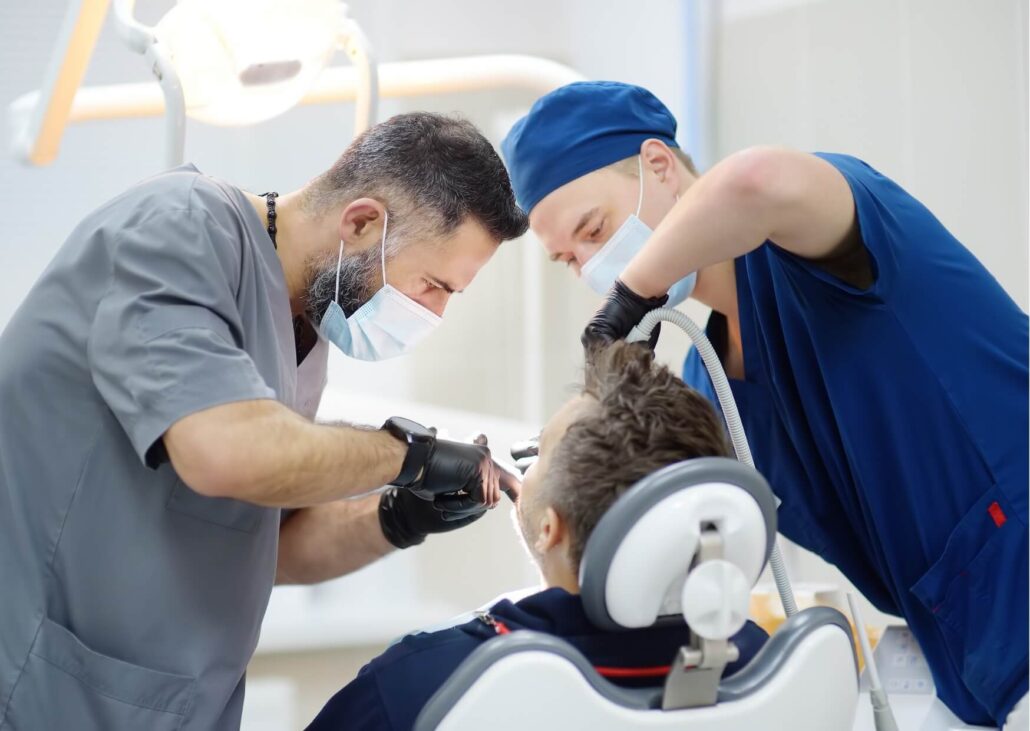
If the jawbone is too thin or too short for a straightforward implant, a dentist may discuss bone grafting before implant placement. A graft is material used to help rebuild or support bone in an area that has lost volume.
In the upper back jaw, a sinus lift may be considered if the sinus space limits available bone height. For some full-arch cases, angled implants or other advanced approaches may be discussed by experienced teams.
Sometimes the best answer is not an implant at all. A bridges & crowns restoration or removable denture may be more practical, less invasive, or more appropriate based on health, anatomy, budget, or long-term maintenance ability. For more on replacement choices, read about dental bridges.
Do not wait on an implant consultation if there is facial swelling, pus, fever, severe pain, a bad taste that keeps returning, or bleeding and gum breakdown around nearby teeth. These signs may point to an active infection or another problem that needs treatment first.
Difficulty opening the mouth, spreading swelling, or trouble swallowing should be treated as urgent red flags. Those symptoms can signal a more serious dental infection and may need immediate evaluation.
Even without severe symptoms, a loose tooth, a denture that suddenly no longer fits, or a fast change in your bite deserves attention. Rapid changes are not normal and should be assessed rather than watched indefinitely.
A better question than whether it is too late is this: what has changed, and what can still be rebuilt safely? That shift matters because implant decisions are based on present anatomy and health, not on guilt about waiting.
In many cases, earlier treatment is simpler. Still, delayed treatment can work well when the plan is careful and expectations are realistic.
If a missing tooth has been part of life for a long time, the next useful step is not guessing. It is getting a dental exam with imaging, learning what the bone and gums look like now, and hearing which options are actually predictable for your situation.
There is often more possibility than patients expect, even after years of waiting. The clearest path usually begins with a consultation that treats the whole picture, not just the empty space.
To discuss dental implants at Smile Line Dentistry in Livermore, serving patients from Pleasanton and Dublin as well, call (925) 456-7600 to schedule an implant evaluation.
Yes, in many cases. Long-term tooth loss often causes bone loss, so treatment may require grafting or a modified plan, but implants may still be possible.
Usually no. Older age by itself does not automatically prevent implant treatment. Overall health, healing ability, bone support, and oral hygiene matter more than age alone.
A dentist may discuss bone grafting, sinus lift procedures, or alternative tooth replacement options. The right choice depends on imaging, location in the mouth, and overall health.
Implants may be less suitable when there is uncontrolled gum disease, severe untreated bone loss, major medical instability, poor healing capacity, or difficulty maintaining oral hygiene. A full evaluation is needed to make that call.
Often yes, especially if chewing, spacing, or bite balance is changing. A missing tooth may not hurt, but the surrounding bone and teeth can still shift over time.
We are proud to provide our patients with the best in dental technology, treatment options and patient comfort. It is our pleasure to address all your questions and concerns.
