
Teeth whitening cost in the United States usually ranges from about $20 to $1,000 or more, depending on the product, the strength of the whitening agent, and whether a dentist supervises treatment. Over-the-counter products cost the least, dentist-provided take-home trays fall in the middle, and in-office whitening usually has the highest upfront price.
If you're unsure whether the higher teeth whitening cost is worth it, a professional evaluation can show which option fits your stains, sensitivity, and goals. Smile Line Dentistry in Livermore, CA, can explain what to expect so you can compare likely results, timing, and total cost with more confidence.
|
Whitening Option |
Typical Cost |
What to Expect |
|---|---|---|
|
Whitening toothpaste or rinse |
$5 to $20 |
Mainly removes some surface stains and usually creates limited shade change |
|
Over-the-counter strips or tray kits |
$20 to $100 |
May lighten teeth gradually over several days or weeks |
|
Dentist-provided take-home trays |
$200 to $600 |
Custom-fitted trays with professional-strength gel used at home as directed |
|
In-office professional whitening |
$300 to $1,000 or more |
Stronger whitening agents applied under supervision, often in one or more visits |
Prices vary by brand, region, and dental office. A professional fee may include an exam, custom trays, follow-up care, or touch-up gel, so it helps to ask exactly what the quoted price covers.
The whitening method is the biggest cost factor. In-office treatment includes clinical time, gum protection, and stronger materials, while custom take-home systems include impressions or digital scans and trays made to fit your teeth.
The type of discoloration also matters. Yellow staining from coffee, tea, tobacco, and aging often responds better than gray or brown discoloration linked to medications, trauma, or changes inside a tooth.
Existing dental work can affect both cost and results. Whitening does not lighten fillings, crowns, veneers, or bonding, so visible restorations may no longer match after natural teeth become lighter.
An exam may add to the total cost if it is not included. Cavities, leaking restorations, gum inflammation, or exposed roots may need treatment first to reduce sensitivity and avoid making an existing problem worse.
Professional whitening costs more because a dentist can check whether the stains are likely to respond, protect the gums, and choose the right strength and schedule. Custom trays also tend to hold gel more evenly and reduce unnecessary contact with soft tissue.
Store-bought products can be reasonable for mild surface staining when used exactly as directed; see do whitening strips work for more on their effectiveness. Compared with many over-the-counter options, professional whitening may produce faster and more noticeable results.
Whitening toothpaste usually relies on mild abrasives or stain-removing ingredients rather than deeply changing tooth color. Overusing abrasive products may increase wear or sensitivity without meaningfully improving the underlying shade.
Dental insurance usually treats whitening as cosmetic and typically does not cover the cost. Coverage rules vary, so review your plan details or contact the insurer to confirm benefits; for broader payment information, see dental insurance.
Possible extra costs include an exam, X-rays when clinically needed, treatment for cavities or gum disease, replacement of mismatched restorations, and future touch-ups. Ask for a written estimate that lists the whitening method, expected number of visits, and whether trays or refill gel are included.
Some offices offer payment plans or accept third-party financing. Health savings account and flexible spending account rules may not allow purely cosmetic whitening, so confirm eligibility with the plan administrator before assuming it applies.
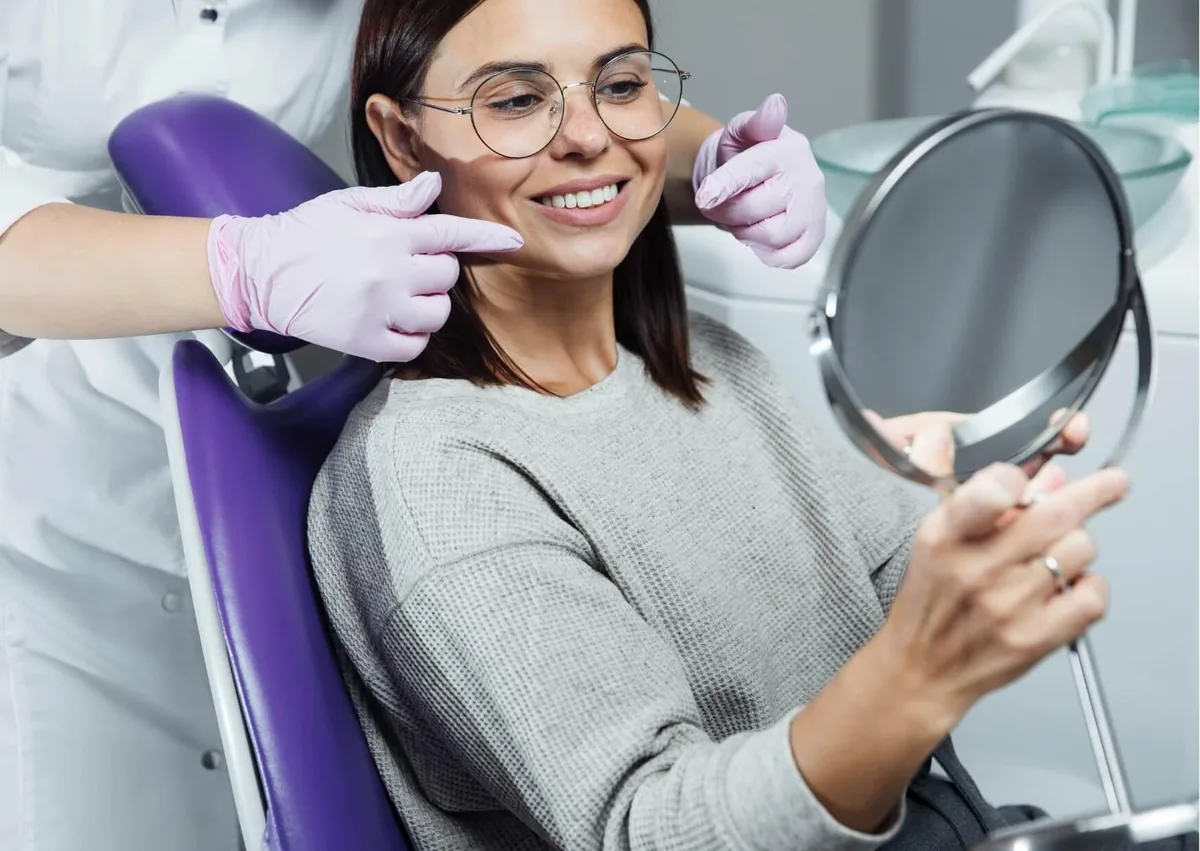
Whitening results are not permanent, and no final shade can be guaranteed. Coffee, tea, red wine, tobacco, strongly pigmented foods, and normal aging can all lead to new staining over time.
Temporary tooth sensitivity and gum irritation are the most common side effects. Discomfort is often short-lived, but stop treatment and contact a dentist if pain is severe, lasts, or affects only one tooth.
Following directions, avoiding overuse, and keeping up with routine brushing and teeth cleaning can help maintain results safely. Do not use household bleach, acidic mixtures, or other unapproved chemicals on your teeth because they can injure gums and damage enamel.
Schedule an evaluation before whitening if you have tooth pain, untreated decay, gum disease, major sensitivity, cracked teeth, exposed roots, or extensive dental restorations. A dentist should also examine a single tooth that has become darker than the others.
One dark tooth may reflect trauma, decay, prior root canal treatment, or a problem inside the tooth rather than ordinary staining. In those cases, repeated bleaching may not help and could delay proper treatment.
Prompt dental care is important for worsening pain, facial or gum swelling, fever, drainage, or trouble swallowing or breathing. Swelling with breathing or swallowing difficulty needs urgent medical attention.
If discoloration is persistent, uneven, or hard to explain, a dental exam can identify the likely cause before you spend money on treatment. It can also help determine whether whitening, restoration replacement, or cosmetic dentistry is the better option.
To get a clear estimate and an individualized plan, arrange a short evaluation that includes an exam and discussion of whitening expectations. Contact Smile Line Dentistry for teeth whitening in Livermore or nearby Pleasanton to book your appointment today at (925) 456-7600.
Dentist-supervised whitening often costs about $200 to $600 for custom take-home trays and $300 to $1,000 or more for in-office treatment. Fees depend on location, the system used, the number of sessions, and what the quoted price includes.
It may be worth the extra cost if you want a professional assessment, custom-fitted trays, stronger products, or faster and more predictable treatment. The value depends on the cause of discoloration, your sensitivity risk, existing restorations, and the result you expect.
Results may last from several months to a few years, but there is no fixed timeline. Diet, tobacco use, oral hygiene, the original cause of discoloration, and occasional touch-ups all affect how long teeth stay lighter; for more detail, see how long teeth whitening lasts.
Approved whitening products used as directed are generally considered safe for appropriate candidates. Overuse, prolonged contact, poorly fitting trays, and unapproved remedies can increase sensitivity, irritate gums, or damage tooth surfaces.
A tooth affected by trauma, internal discoloration, decay, or previous root canal treatment may not respond like neighboring teeth. Because a single dark tooth can have several causes, it should be evaluated by a dentist rather than repeatedly bleached without guidance.
We are proud to provide our patients with the best in dental technology, treatment options and patient comfort. It is our pleasure to address all your questions and concerns.
