
A cracked tooth often feels like a sharp pain when biting or a quick jolt when you release pressure. Some people notice sensitivity to cold, heat, or sweets. Others feel a vague ache that comes and goes and is hard to pinpoint.
The pattern matters. Pain from a crack is often inconsistent, which is one reason people put off care. A tooth may feel normal for hours or days, then suddenly hurt while chewing, drinking something cold, or clenching your jaw.
At Smile Line Dentistry in Livermore, our bridges & crowns service includes dental crowns to help stabilize cracked teeth if that sounds like what you need.
A tooth is not a solid block with no sensation. Under the enamel and dentin is the pulp, which contains nerves and blood vessels. When a crack flexes under pressure, it can irritate the pulp or the ligament around the root and trigger pain.
That is why symptoms may be brief but intense. In many cases, the tooth hurts only when the crack opens slightly during chewing or when temperature changes affect the tooth. This stop-and-start pattern is common with cracked tooth syndrome.
A cracked tooth may cause one or more of these symptoms:
Not every crack causes severe pain. Some are small and cause only mild sensitivity at first. Deeper cracks may lead to stronger pain, gum irritation, or infection if the pulp becomes inflamed or damaged.
Many patients describe the feeling as a quick electric sting, a stabbing pain, or a sudden shock in one tooth. Others say it feels like biting on a seed shell, a popcorn hull, or a grain of sand even when nothing is there.
A common clue is pain with foods that bend the tooth slightly, such as crusty bread, nuts, granola, or ice. In some cases, clenching during stress or sleep makes the tooth feel sore the next morning.
If the crack extends deeper, the pain may change. Instead of only biting pain, the tooth may develop a lingering ache, stronger hot or cold sensitivity, or tenderness around the gumline.
Teeth can crack for several reasons, and sometimes more than one factor is involved. A single hard bite can cause it, but many cracks develop slowly from repeated stress.
Common causes include:
Molars are often affected because they absorb strong bite pressure. A tooth that already has a large restoration may be more vulnerable than a tooth with more intact enamel.
Some cracks are minor surface lines in enamel and may not cause symptoms. Others extend into deeper tooth layers and are much more likely to hurt or threaten the tooth.
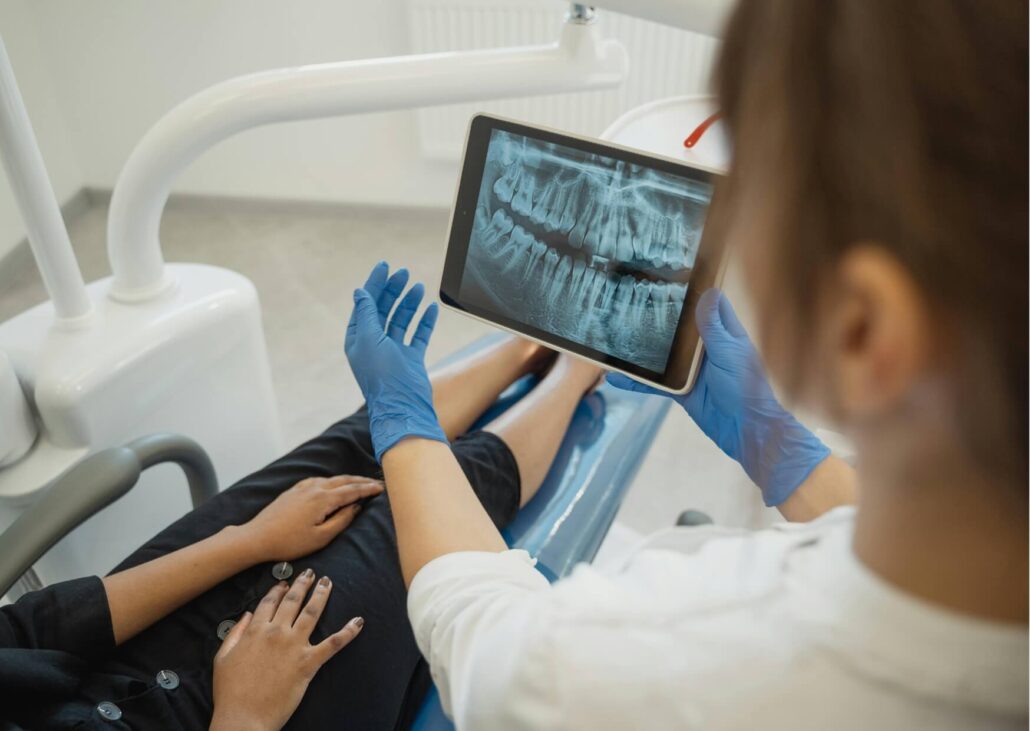
Because symptoms can overlap, pain alone cannot confirm the exact type of crack. A dental exam and imaging are usually needed to understand what is happening.
Cracks are not always visible during a routine exam. Dentists often diagnose them by combining your symptom pattern with a focused evaluation.
The visit may include:
The most useful clue is often the history. If a tooth gives a sharp pain only on chewing or when releasing pressure, that pattern strongly raises concern for a cracked tooth even when the crack itself is hard to see.
Treatment depends on the size, location, and depth of the crack, as well as whether the pulp is inflamed or infected. The goal is to stabilize the tooth, reduce pain, and prevent the crack from spreading.
Common treatment options include:
One of the biggest mistakes is waiting too long once chewing pain starts. A small crack may sometimes be stabilized, but a deeper untreated fracture can become much harder to save.
If you think a tooth may be cracked, try chewing on the other side and avoid hard, crunchy, or sticky foods. Temperature extremes may also trigger symptoms, so lukewarm foods and drinks are often easier to tolerate.
Do not keep testing the tooth to see if it still hurts. Repeated pressure can worsen symptoms and place more stress on the fracture.
If a piece of tooth breaks off, if pain becomes severe, or if swelling develops, contact a dentist promptly. General information can help you recognize the pattern, but a proper exam is still needed to decide what treatment is right for your tooth.
Some cracked teeth can wait a short time for a routine dental visit, but others need faster attention. Seek prompt care if you have swelling, severe pain, or a broken tooth with sharp edges, especially if symptoms are getting worse.
Urgent evaluation is also important if you notice:
These signs may suggest deeper injury or infection. In that situation, delaying care can increase the chance of losing the tooth or developing a more serious dental infection. If you’re unsure, our signs for root canal article explains warning symptoms that may mean a root canal is needed.
A cracked tooth does not heal the way a broken bone heals. Symptoms may fade for a while, but the crack itself usually remains unless it is treated or protected.
That is why intermittent pain should not be ignored. If a tooth repeatedly hurts with chewing, cold, or pressure release, it is worth having it checked even if the discomfort is not constant.
Prevention is not perfect, but a few habits can make a real difference. Avoid chewing ice, hard candy, and other very hard foods, especially if you already have large fillings or a history of cracked teeth.
If you grind or clench, ask a dentist whether a night guard may help protect your teeth from repeated force. Our guide on fix grinded teeth explains your options. Regular dental visits also matter because worn fillings, bite changes, and early fractures are easier to manage before they become painful.
If one tooth has started giving you that sharp, inconsistent chewing pain, it is smart to have it evaluated sooner rather than later. Early treatment often gives you the best chance of keeping the tooth comfortable and functional.
Smile Line Dentistry in Livermore offers dental crowns to stabilize cracked teeth for patients from Livermore and nearby Pleasanton and Dublin. Call (925) 456-7600 to schedule.
It often feels like a sharp, quick pain when biting down or when releasing pressure after a bite. Some people notice it only with certain foods or at certain angles.
Yes. Cracked teeth often cause intermittent symptoms, which means the tooth may feel normal between episodes of pain.
No. Small or incomplete cracks may not be visible on standard dental X-rays. Dentists often rely on the symptom pattern, exam findings, and bite testing.
It can be. Cold sensitivity is common with cracked teeth, but it can also happen with cavities, gum recession, or worn enamel, so an exam is important. Learn more about a tooth sensitive to cold.
Often, yes. Many cracked teeth can be treated with a crown or other restorative care, but the outcome depends on how deep and extensive the crack is.
We are proud to provide our patients with the best in dental technology, treatment options and patient comfort. It is our pleasure to address all your questions and concerns.
