
Teeth whitening strips can safely lighten many surface and age-related stains when used as directed. They usually work best on natural teeth with yellowish discoloration, but they can cause temporary sensitivity or gum irritation and will not change the color of fillings, crowns, veneers, or dentures.
If cost is a consideration when choosing between at-home and professional options, see our teeth whitening cost article for a comparison.
If over-the-counter strips are leaving you sensitive or not producing the shade you want, professional teeth whitening can provide a more controlled, predictable result. Smile Line Dentistry in Livermore, CA can assess your teeth and recommend a whitening approach that balances comfort and shade improvement.
Most teeth whitening strips use a peroxide-based gel, usually hydrogen peroxide or carbamide peroxide. Peroxide enters the outer tooth layers and breaks down stain compounds, which can make teeth look lighter when the product is used correctly.
Results vary based on peroxide strength, contact time, the type of stain, and your starting tooth color. Store-bought strips usually create a gradual change over days or weeks.
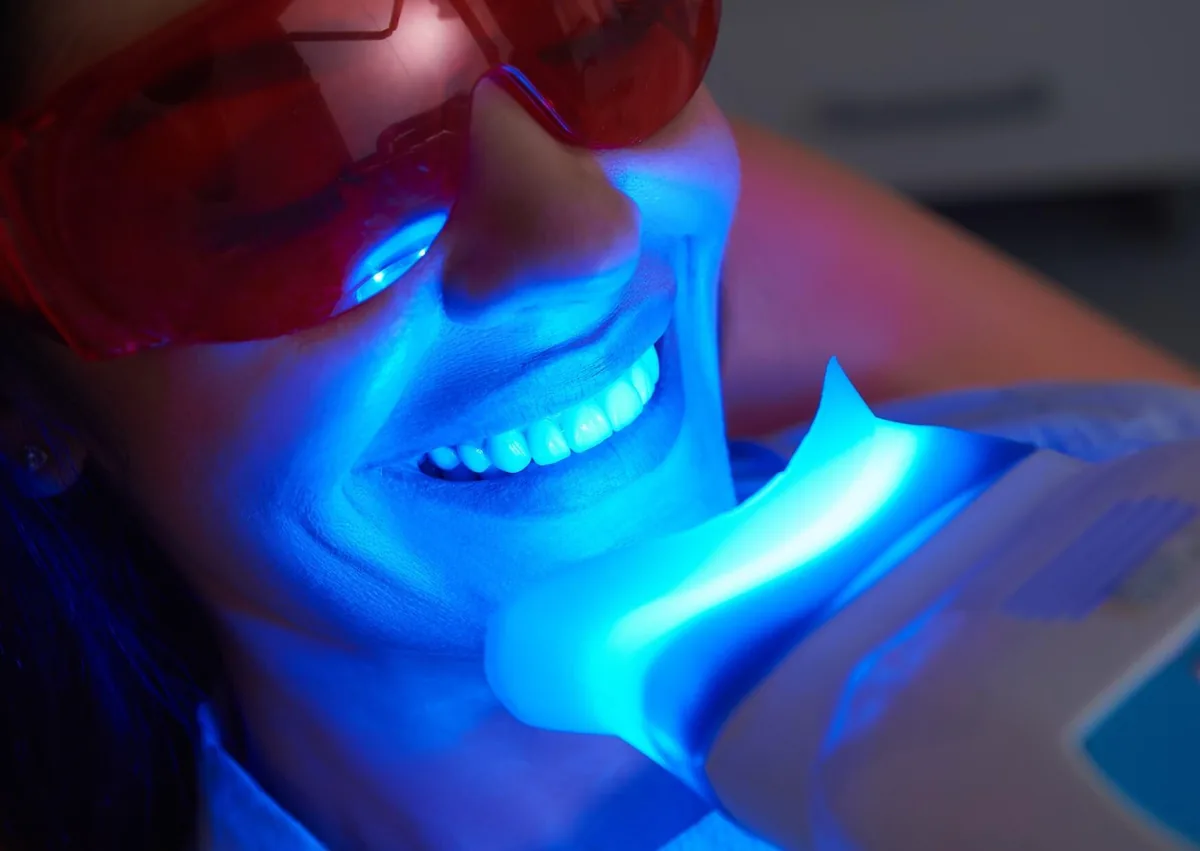
Professional teeth whitening may work faster because it uses dentist-supervised methods and different concentrations. You can also read what expect teeth whitening for a broader overview.
Whitening changes internal and surface discoloration, but it does not remove plaque or tartar. Brushing and professional cleaning remove buildup, while whitening targets pigment.
Teeth whitening strips tend to work best on stains from coffee, tea, red wine, tobacco, and normal aging. Yellow or light-brown discoloration usually responds more predictably than gray, blue, or deeply banded stains.
A single dark tooth, white or brown spots, or discoloration linked to injury, medication exposure, or enamel development may not whiten evenly. These patterns should be checked by a dentist before whitening.
|
Type of Discoloration |
Likely Response to Strips |
Practical Consideration |
|---|---|---|
|
Yellow age-related staining |
Often responds well |
Change is usually gradual |
|
Coffee, tea, wine, or tobacco stains |
May improve |
Ongoing exposure can cause restaining |
|
Gray or blue discoloration |
Often limited |
A dental evaluation may identify better options |
|
One dark tooth |
Unpredictable |
May indicate prior injury or a problem inside the tooth |
|
Crowns, veneers, or fillings |
No color change |
Natural teeth may become lighter than restorations; discuss replacement or color-matching for crowns and bridges or composite fillings. |
Choose a reputable product and look for the ADA Seal of Acceptance when available. Always read the label because wear time, treatment frequency, age limits, and peroxide strength vary.
Apply the strips only as directed. Leaving them on longer or using them more often will not reliably improve results and can increase irritation.
More time is not better if it causes sensitivity.
Do not use strips over untreated cavities, cracked teeth, loose restorations, or painful gums. If you are pregnant, breastfeeding, under the product's stated age, or currently receiving dental treatment, ask a dentist or medical professional before use.
Keep the product away from children and avoid swallowing the gel. If the strips slide onto the gums or do not fit around crowded teeth, irritation and uneven whitening are more likely.
A professional teeth cleaning before whitening can remove surface buildup and make results more predictable.
Some people notice a small change after a few uses, with fuller results closer to the end of the treatment period. Teeth may not reach the shade shown in advertising, and natural color differences between teeth can remain.
Whitening is not permanent. Read more about how long teeth whitening lasts and what affects longevity.
Coffee, tea, red wine, tobacco, and strongly pigmented foods can shorten how long results last. Regular brushing, flossing, and routine cleanings help slow new staining.
Wait until the full treatment course is complete before judging the final shade. Repeating treatment earlier than the label allows can raise the risk of side effects without adding much benefit.
Temporary sensitivity to cold air, drinks, or food is the most common side effect. Peroxide can briefly irritate the tooth's nerve tissue, especially if you have exposed roots, worn enamel, cracks, cavities, or a history of sensitive teeth.
If sensitivity is already a concern, see our article on teeth sensitive to sugar.
The gel can also irritate the gums and cause sore, red, or pale-looking spots where it touches the tissue. Mild symptoms often improve after you pause or finish treatment.
Stop using the strips and contact a dentist if sensitivity is severe, lasts after you stop, affects one tooth more than the others, or comes with spontaneous pain. Seek prompt care for facial swelling, fever, trouble swallowing or breathing, pus, or rapidly worsening pain, because those are not expected whitening effects.
A dental exam is a good idea before whitening if it has been a long time since your last checkup. It is especially important if you have tooth pain, bleeding gums, visible decay, broken teeth, exposed roots, or extensive dental work.
Treating active dental problems first can reduce discomfort and make whitening results easier to predict. A dentist can also explain whether crowns, veneers, bonding, or tooth-colored fillings may create a color mismatch.
If strips are not a good fit or do not work well, other options may include professionally dispensed trays, in-office whitening, replacement of selected restorations, or non-whitening cosmetic treatment. Discussing options such as composite fillings or crowns and bridges can help you plan restorative work around a new shade.
Schedule an evaluation when discoloration is new, unexplained, limited to one tooth, or getting worse. Finding the cause first can prevent delayed treatment and unnecessary irritation.
If strips cause sensitivity or uneven color, a dental exam can identify the cause and let you choose professional teeth whitening or restorative fixes with less risk. Call Smile Line Dentistry in Livermore, CA at (925) 456-7600 to schedule a consultation about teeth whitening and related options.
When used according to directions on healthy teeth, whitening strips are not expected to remove or permanently damage enamel. Misuse, overuse, or whitening teeth with untreated dental problems can increase irritation and sensitivity.
Follow the product instructions. Some manufacturers recommend waiting after brushing because brushing right before application may irritate the gums.
Strips may not contact crowded or rotated teeth evenly, and fillings or crowns will not whiten. Natural differences in enamel thickness, temporary dehydration after treatment, or different stain types can also make the color look patchy.
The strips may lighten nearby natural enamel, but they will not change the shade of fillings, crowns, veneers, or bonding. A dentist can help you judge the risk of a visible mismatch before treatment.
Mild, temporary sensitivity can happen, but strong, lingering, or localized pain is not typical. Stop treatment and seek dental advice if symptoms are severe, worsening, or do not improve after use ends.
We are proud to provide our patients with the best in dental technology, treatment options and patient comfort. It is our pleasure to address all your questions and concerns.
