
Dental implants can last 20 years or longer, and many stay functional for a lifetime with good care. A 20-year meta-analysis supports strong long-term implant survival, though results vary from person to person. The crown attached to the implant usually wears out sooner, often in about 10 to 15 years, depending on oral health, bite pressure, habits, and maintenance.
If you're trying to replace a missing tooth and want something built to last, learning about dental implants can make the decision clearer. Smile Line Dentistry in Livermore, CA explains what affects implant longevity, what maintenance to expect, and how to protect your result over time.
A dental implant has several parts. The implant post is placed in the jawbone, the abutment connects the post to the restoration, and the crown is the visible replacement tooth.
The implant post is usually made of titanium or another biocompatible material. It bonds with the surrounding bone through osseointegration, which helps create a stable long-term foundation.
Because the implant post sits below the gumline, it does not wear down the same way a crown does. The crown may eventually chip, crack, loosen, or wear out, and crown replacement does not usually mean the implant itself needs to be replaced. If you want more detail on crown durability, see how long crowns last.
Long-term success depends heavily on healthy gums and bone. Plaque buildup around an implant can irritate the tissues and lead to peri-implantitis, which is inflammation with bone loss that can eventually threaten the implant.
Smoking and uncontrolled diabetes can slow healing and raise the risk of complications. A history of gum disease, limited bone support, and inconsistent dental care can also affect longevity. These risk factors are commonly linked to peri-implant disease, and if bone support is a concern, it may help to read when it's too late.
Heavy bite pressure can also shorten the life of the restoration or strain implant components. This may happen with teeth grinding, jaw clenching, an uneven bite, or regularly chewing very hard foods or objects like ice.
Treatment planning matters too. Proper placement, enough healing time, and a restoration that spreads biting forces well can all support a longer-lasting result.
A healthy implant should feel stable and comfortable when you bite and chew. Movement is not normal and should be checked, whether the looseness seems to come from the crown or the implant itself.
Other warning signs include ongoing pain, swelling, bleeding around the implant, pus, gum recession, a bad taste, or increasing trouble chewing. Some problems cause few symptoms early on, which is why routine exams and X-rays are important.
A loose crown or abutment can sometimes be tightened, repaired, or replaced without removing the implant. Bone loss, infection, implant fracture, or loss of integration with the jaw may require more involved treatment.
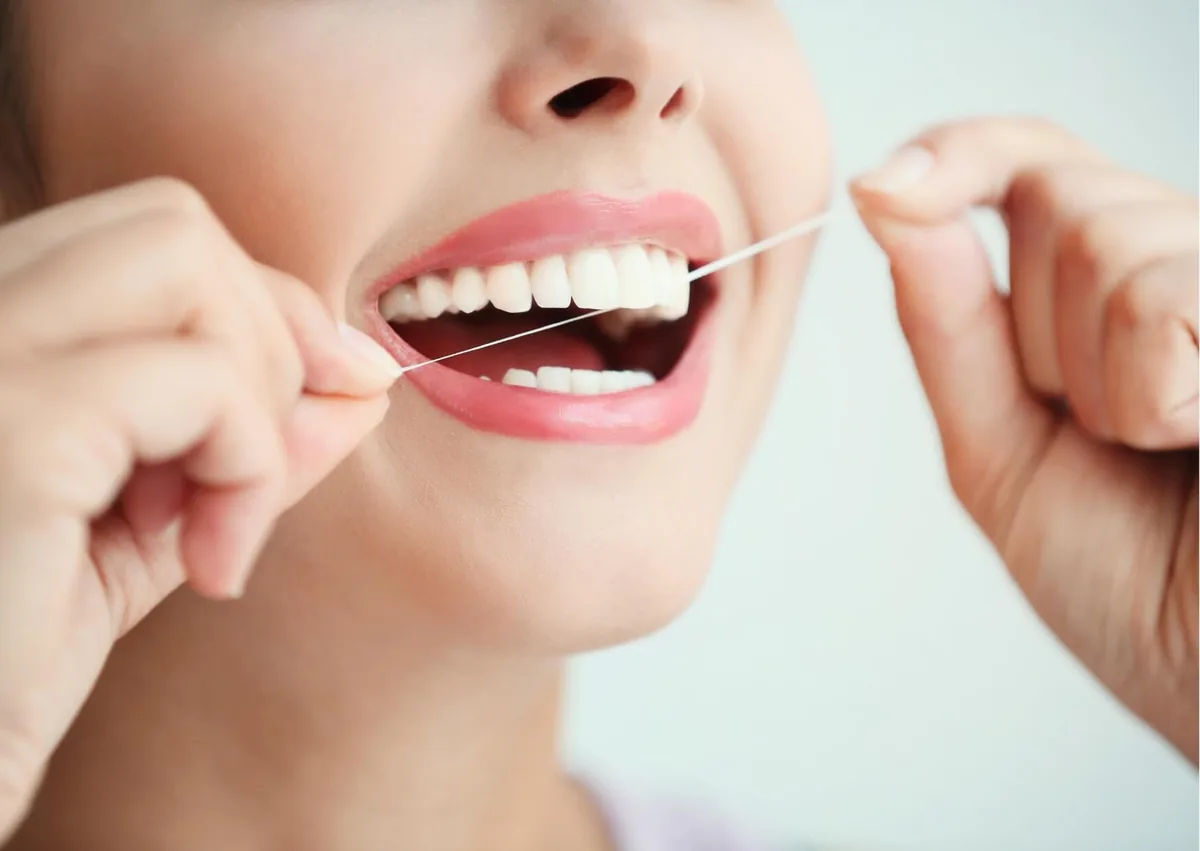
Brush twice a day with a soft-bristled toothbrush and clean around the implant daily with floss or another tool recommended by your dentist. Implant crowns cannot get cavities, but plaque can still damage the gums and supporting bone.
Keep up with routine cleanings and checkups at the interval your dentist recommends. These visits help monitor gum health, bite balance, and implant stability so small problems can be caught early.
Avoid tobacco, and work with your physician to manage conditions such as diabetes. If you grind or clench your teeth, ask whether a custom night guard could help protect the crown and reduce excess force.
Do not use the implant crown to chew ice, crack nuts, or open packaging. Those habits can damage both natural teeth and implant restorations.
Schedule a dental visit if the crown feels loose, your bite suddenly feels different, or discomfort and gum bleeding do not improve. Early treatment may prevent a minor issue from becoming a bigger one.
Seek prompt care for worsening swelling, drainage, severe pain, fever, or any implant that moves. Get urgent medical help if swelling affects breathing or swallowing, spreads toward the eye or neck, or comes with trouble opening the mouth.
Lifespan estimates are averages, not guarantees. A dentist can examine the implant, crown, gums, bone levels, and bite to explain what to expect in your specific case.
If you have a loose crown, pain, or concerns about implant longevity, an evaluation can identify the cause and outline treatment options. Contact Smile Line Dentistry for dental implant care in Livermore and Pleasanton; call (925) 456-7600 to schedule or ask about same-day availability.
Yes. The implant post can sometimes last for life if it stays well integrated with healthy bone and receives proper care. The crown and other attached parts are more likely to need repair or replacement over time.
Many implant crowns last about 10 to 15 years, though some last longer and some need attention sooner. Grinding, bite force, crown material, oral hygiene, and accidental damage all affect how long it lasts.
No. The implant and crown cannot decay like a natural tooth, but plaque can still cause inflammation and bone loss around the implant. That is why daily cleaning and professional monitoring still matter.
No. Sometimes only the crown or connecting screw is loose while the implant post remains stable in the bone. Avoid chewing on that side and have it evaluated rather than trying to tighten or remove anything yourself.
We are proud to provide our patients with the best in dental technology, treatment options and patient comfort. It is our pleasure to address all your questions and concerns.
